On a whim, this 29-year old spent $20000 to create an embroidery store in New York that currently generates $1.6 million annually. This is how she accomplished it
 ahamedabubakkar35@gmail.com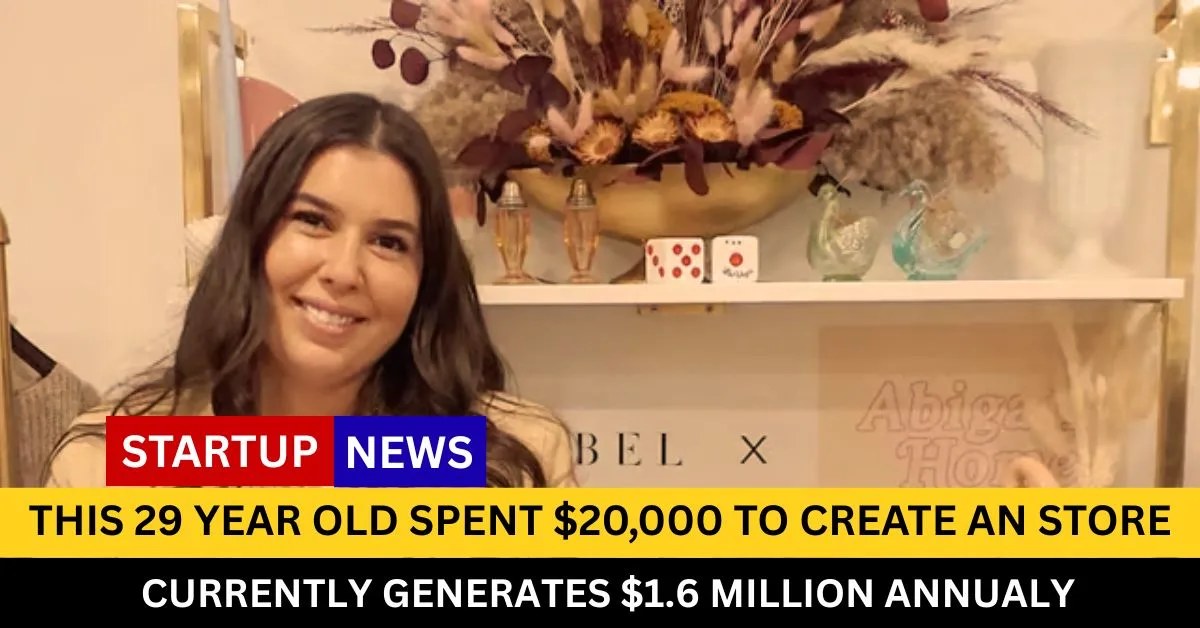
this 29-year old spent $20000 to create an embroidery store. CREDIT: CNBC Make It
Learn how this 29-year old spent $20000 to create an embroidery store. Applications to launch new enterprises increased by 12.5% annually between 2020 and 2023, demonstrating the current surge in American entrepreneurial spirit. In fact, TD Bank projects that throughout the course of the upcoming year, around 1.7 million new enterprises might be established. (1) Furthermore, as of 2024, 36% of Americans were earning additional money from side gigs, more than ever before. (2)
- At just 29, she invested $20,000 on a whim to open an embroidery store in New York, turning a creative idea into a full-fledged business.
- The embroidery store has since grown into a high-revenue venture, generating around $1.6 million in annual income.
- Her success reflects the rising trend of entrepreneurship and side hustles in the U.S., fueled by creativity, risk-taking, and growing demand for niche products.
And you might not realize how near your success story is.
The embroidery machine that would transform Abby Price’s life remained undisturbed in the basement of her New York City shop for a whole year. As a graduate student, Price started her business Abbode in 2019 and sold dried flower arrangements to local customers on Facebook.
With the aid of her parents and $20,000 in savings, she had grown into a storefront by the beginning of 2022. She told Indifact News that she was making enough money to warrant purchasing the $15,000 embroidery machine “on a total whim.” (3) But the machine remained collecting dust since there was no space or expertise to operate it.
The machine’s requirement for maintenance in 2023 marked a turning point. Price held a two-day pop-up that offered complimentary embroidery with every purchase to make moving it upstairs worthwhile. Sales on the first day were five times higher than those on the prior Saturday.
Price leaned in with COO Daniel Kwak, her business partner. Both online and through in-store events, Abbode completely changed its business model to focus on customized embroidered products. The company’s revenue increased to $1.59 million by 2024.
Abbode anticipates $4 million in sales by the end of 2025, with live events and brand partnerships with L.L. Bean, Charlotte Tilbury, and the Ritz-Carlton accounting for about 25% of the total. Price’s success may appear to be the result of good fortune, but it requires hard work, perseverance, and commercial acumen. What can aspiring business owners take away from her experience? Continue reading to learn everything you should know before launching a business.

The true cost of launching a small business
Price’s trajectory reflects the financial situation of many small business owners: before profits appeared, a combination of personal savings, small loans, and calculated risks were in store.
Rent, equipment, inventory, utilities, insurance, website charges, payroll, and professional fees are just a few of the numerous initial expenditures that entrepreneurs usually have to deal with before they make a dime, according to the U.S. Small Business Administration (SBA). (4)
Also read: To challenge Spotify’s Backstage, Port raises 100 million with a valuation of $800 million
The average small firm spends
The average small firm spends about $40,000 in its first year, according to Bankrate, however expenses vary greatly depending on the industry, size, and location. About 77% of firms without employees rely on personal capital, such as savings, credit cards, or cash from friends and family, but the majority of entrepreneurs use their own money. (5)
Costs might also be affected by the sort of business. Because the average cost of constructing and outfitting a store is approximately $147 per square foot, even a modest 500-square-foot facility may cost up to $73,000, brick-and-mortar stores are the most expensive.
Online businesses still need site design, marketing, and inventory even if they can be launched for much less. Service companies may start off with low initial costs, but when they hire more employees or expand their offices, costs increase.
These figures contribute to the explanation of why many founders are reluctant to take the risk. The expenses can mount up quickly, and the hazards are substantial. Timing is important because of this.
Also read: Weeks After $100M Funding, Indian Startup MoEngage Secures Fresh $180M Investment
About The Author


